I don't cut weight. I manage it.
That distinction is the entire job. Over a decade in world title camps and at national team level, it has never once come down to who could suffer more in the last 48 hours.
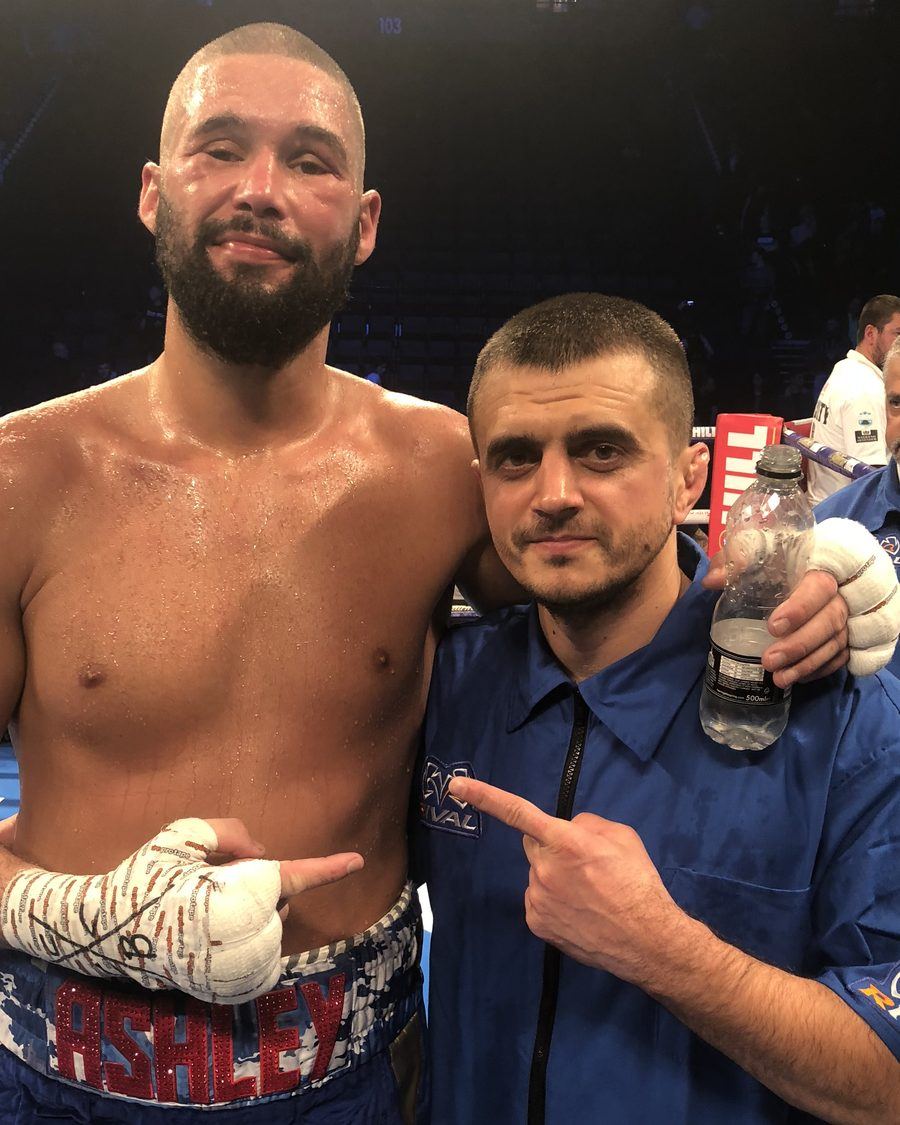
I'm Oleksandr Foka, a sports nutritionist working in professional sport: boxing, MMA, tennis, football and judo. My work covers three things that are usually treated separately and shouldn't be: weight management, nutrition through camp, and anti-doping.
I came to it from the mat rather than from a classroom. I wrestled freestyle for 18 years and competed at national and international level, and I have worked with amateur boxers since 2017, including champions and medallists at world championships.
Those 18 years are the part that matters most in this work, and not for sentimental reasons. I made weight myself, repeatedly, at a level where getting it wrong ended the season. I know what the last night feels like, what a fighter will agree to at that point, and what he will not tell the person advising him. That is knowledge you cannot acquire by reading about it, and it is why I do not accept explanations that sound reasonable on paper and impossible in a changing room.
I also spent 7 years running an online supplement shop, which is a strange line to put on a page where I spend most of my time telling athletes to buy less. It is the reason I trust batch certificates rather than brand names. I saw how the supply chain actually works, how a label gets written, and how much of both is assumption rather than testing.
They belong together because they fail together. A fighter who cuts badly reaches for something that promises to make it easier. What he reaches for is uncertified. Eight weeks later there is a positive test, and nobody can say where it came from, because nothing was written down.
How the system works
I am against the old approach of grinding a fighter down through exhaustion and dehydration. Most of the weight should come off through nutrition across the camp, so that by fight week the gap is small. The final water cut stays small and planned: a last step, never a rescue. The goal is to arrive at the scale with your power, your reaction time and your judgement intact.
From amateur tournaments to undisputed world title fights, no athlete I have prepared has missed weight.
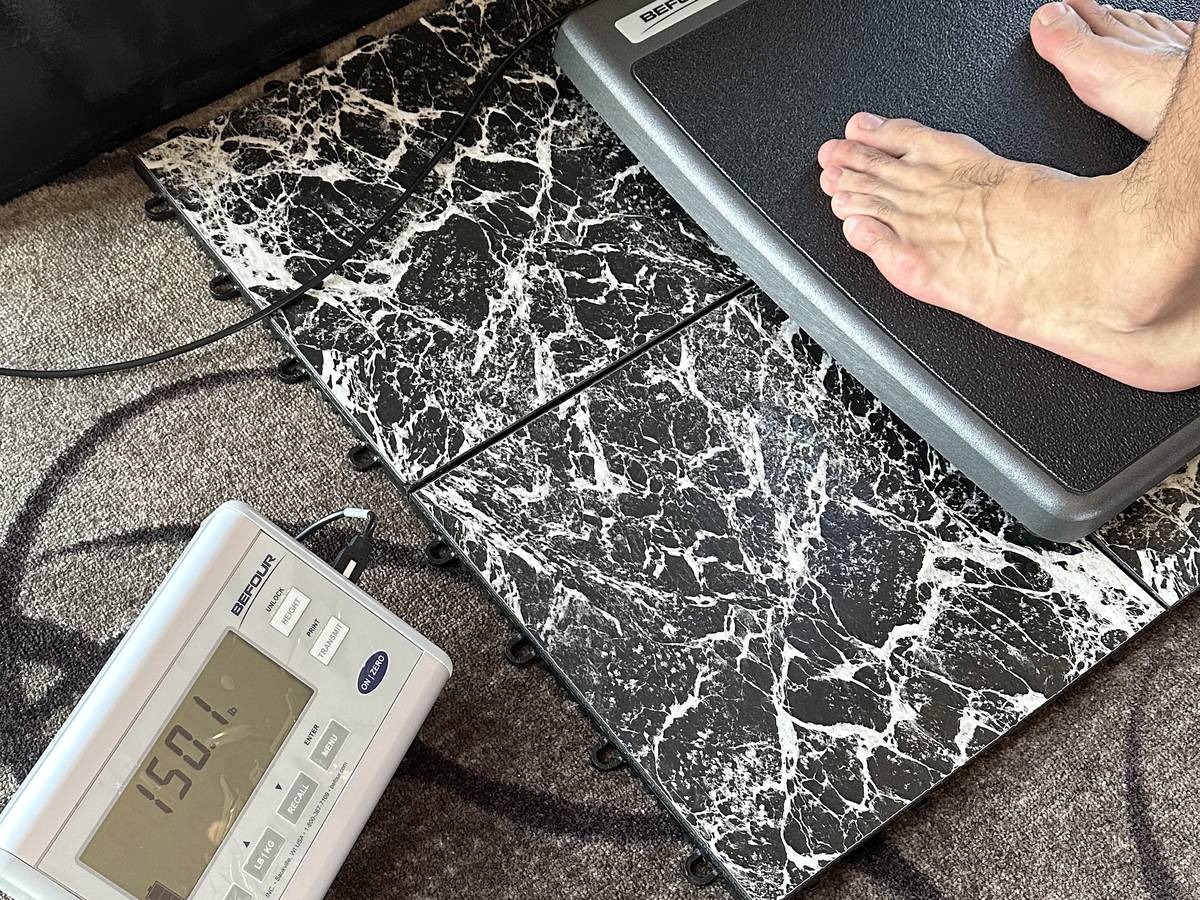
Every programme is built to whichever anti-doping framework actually applies to the athlete. For most, that is the World Anti-Doping Code through their national organisation and international federation. In professional boxing, a bout is often also covered by a private testing body such as VADA, which operates its own prohibited list and its own procedures. A professional can sit in both systems at once.
What doesn't change is strict liability. So every product is certified before it enters the camp, every batch is logged, and the paperwork exists before anyone needs it. If an athlete of mine is ever asked where something came from, there is an answer, with a date on it.

In a world title camp there is no room for improvisation. Every decision comes from calculation and timing: how much, by when, in what form, on what day. Those same algorithms are what the free tools on this site are built on, so a fighter without a team can still see the numbers a champion's camp works from.
- Oleksandr Usyk
- Oleksandr Gvozdyk
- Denys Berinchyk
- Vladyslav Sirenko
- Murodjon Ahmadaliev
- Israil Madrimov
- Sergiy Bogachuk
- Sabirzhan Akkalykov
- Abylaikhan Zhussupov
- Kazakhstan national boxing team
- Kazakhstan judo athletes
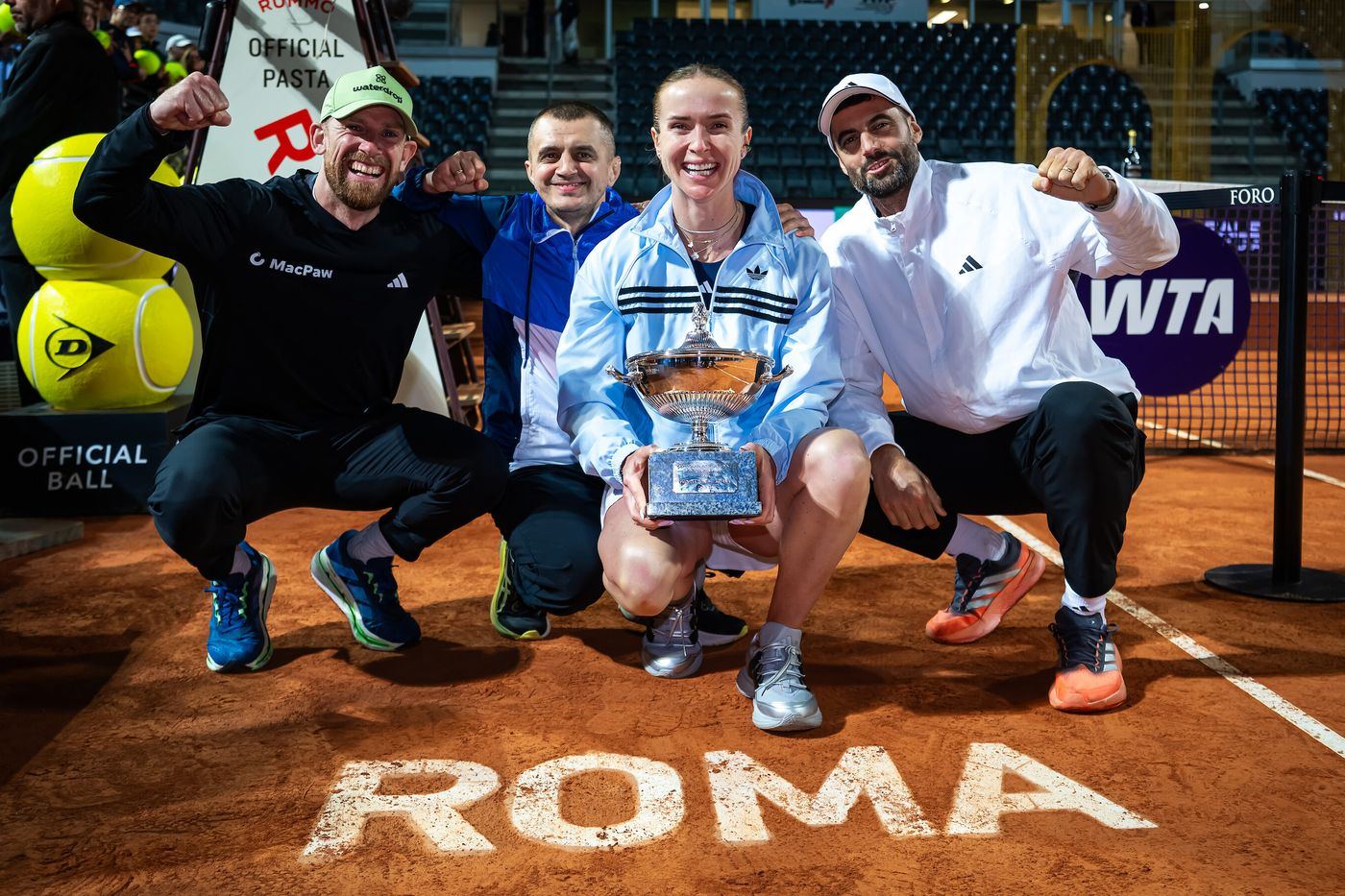
- WTA tour
What I won't do
This matters as much as the rest, and it is the part most people don't put on a website.
- No aggressive dehydration as a plan. If the arithmetic only works through a sauna, the problem is the division rather than the diet, and I will say so.
- No uncertified supplements in camp. No exceptions for price, taste, or someone's recommendation.
- No IV drips. Infusions above the permitted volume are a prohibited method regardless of what is in the bag.
- No jobs on an unsafe timeline. If there isn't enough time left to do it properly, I would rather turn the work down than take money for damage control.
What I do when I am wrong
This is the part that should decide whether you trust anything else here, and almost nobody puts it on a website.
Not by me. Each piece goes out to an external check against the primary sources before it appears on this site, and the writing waits until that comes back. It has caught real errors, including figures that had already spread across several pages before anybody noticed.
Where something comes from published research, it is linked. Where it comes from my own observation in camps, it says so in the text, in those words. Where a figure is my practical judgment rather than a published threshold, that is stated too.
You can open almost any page here and find those labels. They are not there for decoration. They exist so that you can tell the difference between what is established and what is one practitioner's view, which is a distinction most sites in this field blur deliberately.
When something turns out to be wrong, it is changed, and the reasoning around it is changed with it rather than quietly softened. Terminology gets updated when the governing bodies update it. Figures get re-checked against the source rather than against the article that repeated them.
None of that makes me right. It makes the reasoning visible, which is the most any of us can offer on a subject where the rules change every January and the research is thinner than anybody admits.
Who I work with
World title camps are the part people ask about, and they are the smaller part. Most weeks are amateurs, young professionals and the people responsible for them, which is deliberate: the arithmetic of making weight does not change with the level on a record.
That means coaching staff and federations as often as individual athletes, competitors over 35 who train around a job, women whose plans were built on male physiology and handed over unchanged, and parents who want to know whether what is being asked of their child is reasonable. The blog is organised so each of those can start in the right place.
Where I work
I travel to camps and tours. Consultations and written work happen wherever the athlete is, in English, Ukrainian or Russian, with written deliverables in English by default.
The monthly email is sent through Substack, and its sign-up page opens in a new tab. Subscribing is optional, and every email has a one-click unsubscribe link. See the privacy notice.
Educational content and performance services, not medical treatment. For adults 18+. Weight cutting carries real risks including dehydration, electrolyte imbalance, impaired cognition and cardiac strain. Under strict liability, final responsibility for anything an athlete takes is theirs.